
Donald Trump and Africa: What to Expect in His Second Term
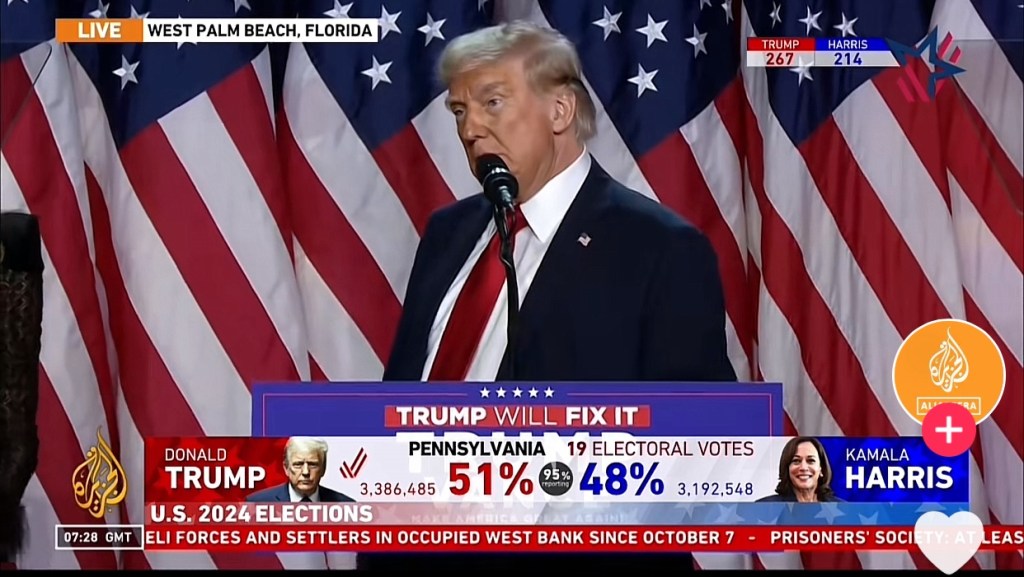
As Donald Trump assumes office once again as the 47th President of the United States, many are looking to assess what his return to the White House might mean for Africa. Trump’s previous term (2017-2021) was marked by a controversial and often divisive approach to the continent, with critics highlighting his blunt rhetoric, while supporters argue he was the first to bring much-needed attention to the growing influence of China in Africa. As Trump returns, it’s likely that his policies towards Africa will continue to prioritize U.S. economic interests and countering Chinese influence on the continent, though the specifics may evolve given the current global and regional context.
A Controversial Start: Trump’s First Term and Africa
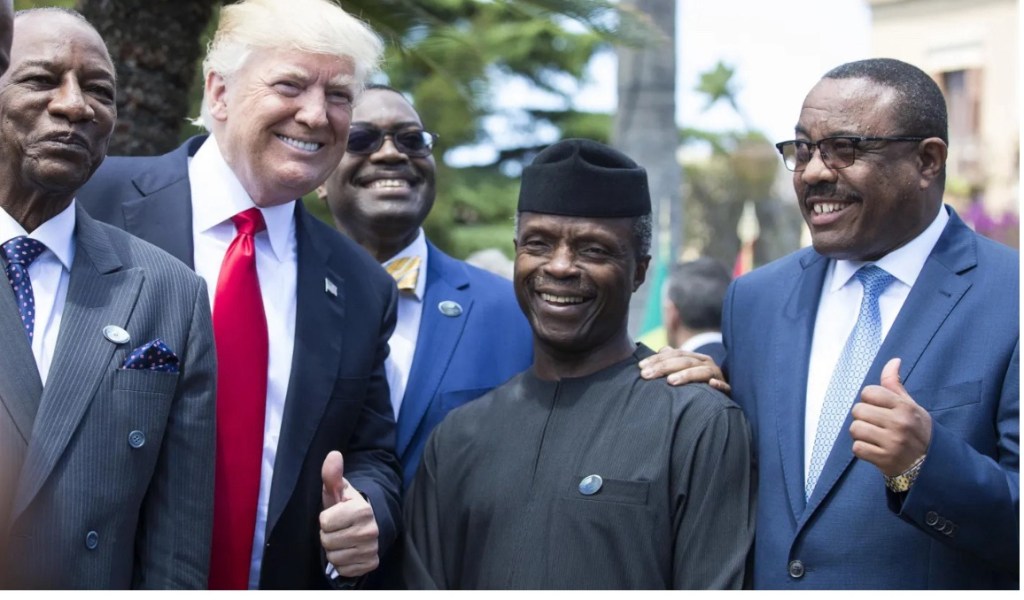
Donald Trump’s first term as president was characterized by moments that reflected a seemingly dismissive attitude towards Africa. In 2018, reports surfaced that he referred to some African nations as “s-hole countries” in a meeting, a comment that sparked widespread condemnation and left a lasting impact on his administration’s reputation in Africa. Many African leaders and citizens saw the comment as emblematic of a lack of respect and understanding from the Trump administration toward the continent.
Yet despite the controversy, Trump’s Africa policy also had a strategic focus, especially in terms of countering China’s growing influence. His administration consistently underscored the risks of Chinese involvement in Africa, especially concerning China’s investments and infrastructure projects across the continent. Many African nations had increasingly turned to China for economic assistance, with Beijing financing major projects from railways to highways through its Belt and Road Initiative (BRI). Trump and his advisors saw this as a potential threat to U.S. strategic interests and sought to push back against China’s foothold.
Countering China: An Ongoing Priority
One area where Trump’s supporters argue he made a significant contribution was in raising awareness about China’s influence in Africa. “You will again see aggressive countering of Chinese influence in Africa,” stated Tibor Nagy, former Assistant Secretary of State for African Affairs under Trump. During Trump’s first term, Nagy and other officials frequently warned African leaders about the risks associated with Chinese debt and dependence, framing China as a “revisionist power” with interests that do not align with Africa’s long-term sovereignty and stability.
In Trump’s second term, this approach is expected to intensify, with an even greater focus on economic strategies that seek to curb China’s influence on the continent. Under Trump, the United States is likely to strengthen partnerships with African nations that share American views on economic sovereignty and could potentially benefit from alternatives to Chinese investment. Trump’s administration may explore initiatives such as the “Prosper Africa” initiative — an economic program from his first term aimed at boosting trade and investment between the U.S. and Africa — and expand on it to promote American business interests while creating competitive alternatives to China’s BRI.
Securing Critical Minerals for Green Technologies
One of the biggest areas of focus in Trump’s return to office will likely be securing access to Africa’s vast reserves of critical minerals, especially those essential to emerging green technologies. Africa is rich in minerals such as cobalt, lithium, and rare earth elements that are key components in the batteries used for electric vehicles, mobile phones, and other modern technologies. As the world moves toward greener energy solutions, the demand for these minerals is increasing rapidly, and the U.S. views stable access to these resources as a matter of national security.
“There is no denying that access to the many critical minerals that Africa has in great abundance is needed for America’s economy today as well as for the technologies that will lead us into the future,” said Ambassador J. Peter Pham, a former U.S. Special Envoy for the Sahel Region under Trump. Pham emphasizes that any monopolization of these supply chains — particularly by China, which has made strategic investments in Africa’s mining sector — represents a security risk for the United States. In his second term, Trump’s administration may push for partnerships and investments in Africa that help secure a more diverse and reliable supply chain for these resources, positioning the U.S. as a competitive partner to African nations looking to develop their mining industries.
A Transactional Approach to Diplomacy
In line with Trump’s signature “America First” philosophy, his approach to Africa is expected to remain transactional. Rather than promoting broad-based development aid, Trump’s policies are likely to focus on areas that directly serve U.S. interests, including trade, security, and resource acquisition. During his first term, Trump’s administration significantly cut foreign aid, and it is likely that he will continue to prioritize mutually beneficial agreements over traditional assistance. African nations that align with U.S. policy objectives may benefit from increased economic opportunities and security cooperation, while others may see reduced engagement from Washington.
Security and Counterterrorism Cooperation
Security cooperation in Africa, particularly in regions facing instability from extremist groups, was another aspect of Trump’s policy in his first term. The Sahel region, for instance, has seen a growing threat from terrorist groups such as Boko Haram and ISIS-affiliated organizations. The Trump administration supported counterterrorism initiatives in these regions, although his focus was often criticized as narrow and selective. In his second term, Trump is expected to continue supporting counterterrorism measures in Africa, especially if they align with U.S. security interests. However, Trump’s tendency to scale back American military involvement could lead to a more cautious approach, with the U.S. possibly encouraging regional allies and private security firms to take on a larger role.
What African Nations Can Expect
While the specifics of Trump’s Africa strategy remain to be seen, African leaders can expect an administration that prioritizes pragmatic partnerships over ideological commitments. Countries that are rich in critical minerals, aligned with U.S. anti-China policies, or play strategic roles in regional security may find themselves prioritized in Trump’s second term.
However, this transactional approach may also mean that countries that fail to align closely with U.S. interests could face disengagement. African nations may also be wary of Washington’s perceived unpredictability under Trump, with leaders potentially weighing whether to strengthen ties with other global powers such as China or Russia as a hedge against shifting U.S. policies.
A Different Kind of Engagement
Trump’s second term in office will likely bring a distinct and pragmatic engagement strategy with Africa, one that heavily focuses on securing U.S. economic interests, countering Chinese influence, and building selective security partnerships. African leaders and policymakers will have to navigate an evolving landscape, where U.S. engagement is driven by a transactional mindset rather than broad developmental goals. For better or worse, Trump’s approach to Africa may reshape the continent’s diplomatic landscape, making it essential for African leaders to weigh their own strategic priorities as they engage with the United States.
 Jimmy Yab