
Abstract
Cameroon’s democratic future hangs in the balance as the nation prepares for the 2025 presidential elections amidst widespread distrust in its electoral body, ELECAM. High rejection rates of voter registrations, reaching 87% in some constituencies, signal systemic failures that threaten the credibility of the electoral process. In response, the Movement for the Liberation and Development of Cameroon (MLDC) has called for an international audit of ELECAM, advocating for elder statesmen like Olusegun Obasanjo to oversee the process. This article explores why Cameroon urgently needs global oversight for its electoral reforms, drawing lessons from Kenya, Ghana, and Nigeria while situating the MLDC’s proposals within a broader framework for democratic renewal and geopolitical stability in Central Africa.
Keywords: Cameroon, MLDC, ELECAM, electoral reform, Olusegun Obasanjo, democracy, international audit, African leadership.
Introduction: A Nation in Need of Credible Elections
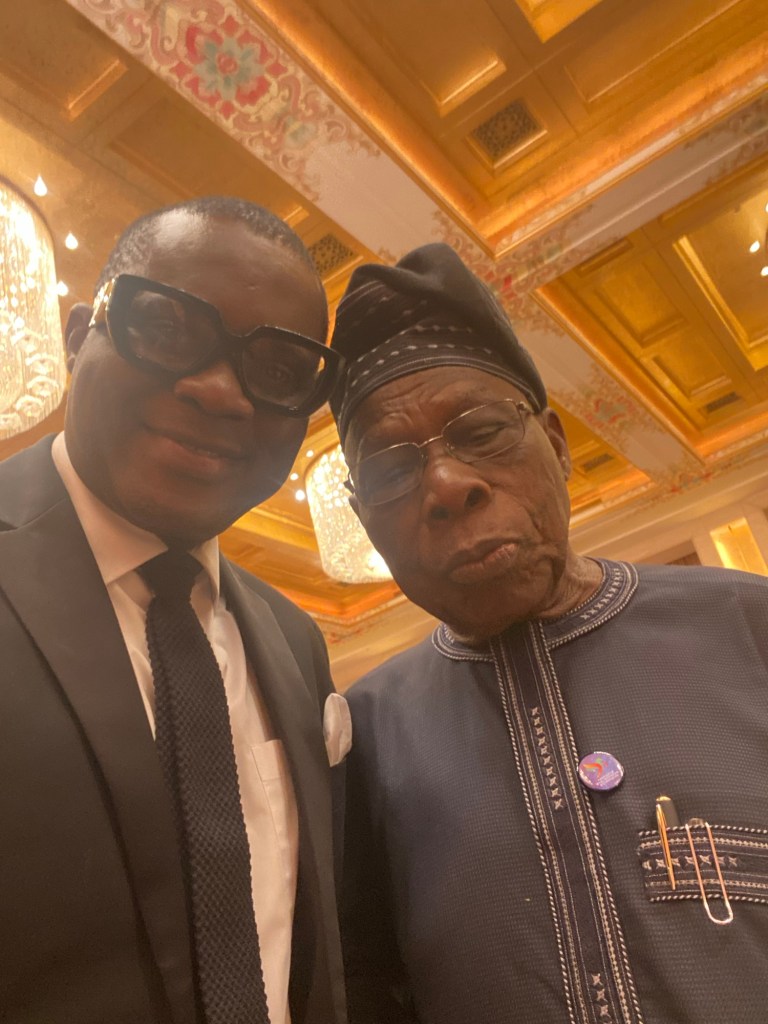
Cameroon is facing a crisis of confidence in its electoral process, with the 2025 presidential elections looming as a critical test of its democratic integrity. The alarming rejection rates of voter registrations revealed by ELECAM have sparked widespread concerns about voter suppression and administrative failures. In this context, the Movement for the Liberation and Development of Cameroon (MLDC) has proposed a groundbreaking solution: an international audit of ELECAM, supervised by respected elder statesmen like Olusegun Obasanjo.
This proposal reflects the MLDC’s commitment to building a credible, inclusive electoral system as part of its broader vision for a developmentalist state. The involvement of figures like Obasanjo—renowned for their impartiality and experience in resolving electoral disputes—could restore public trust and set the stage for meaningful reforms. By drawing on lessons from other African nations, this article argues for the urgency of international oversight to safeguard Cameroon’s democracy.
ELECAM’s Failures and the Urgency for Reform
1. The Alarming Voter Rejection Rates
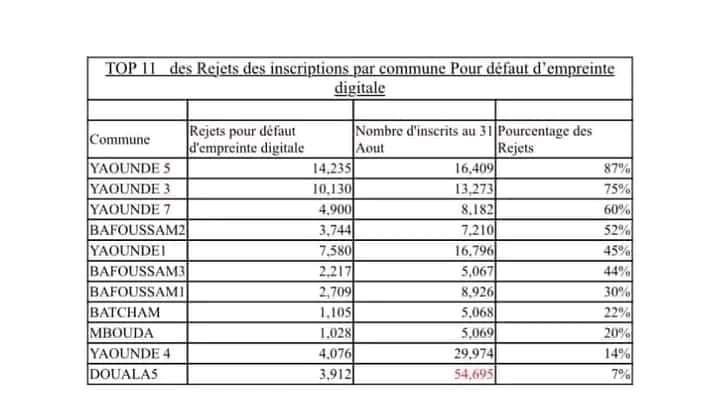
Data from ELECAM reveals rejection rates as high as 87% in constituencies like Yaoundé 5, primarily attributed to failures in biometric registration systems. Such figures highlight critical flaws in Cameroon’s electoral infrastructure, undermining public confidence in the fairness of the upcoming elections.
2. A Crisis of Public Trust
Widespread accusations of partisanship and incompetence against ELECAM have fueled public disillusionment. The lack of transparency in voter registration processes has raised concerns about voter suppression, particularly in opposition strongholds, deepening political tensions.
3. Regional and Global Implications
Cameroon’s political stability is crucial for the broader Central African region. Electoral failure in Cameroon could exacerbate regional instability, disrupt economic integration efforts, and provide opportunities for extremist groups like Boko Haram to exploit the resulting chaos. Ensuring credible elections is, therefore, not just a domestic priority but a regional necessity.
Why International Oversight Is Crucial
1. Restoring Public Confidence
The appointment of an international audit team led by figures like Olusegun Obasanjo would reassure Cameroonians of the impartiality and transparency of the process. Public trust is a cornerstone of democratic legitimacy, and an international audit could provide the accountability ELECAM currently lacks.
2. Aligning with Best Practices
African nations like Ghana and Kenya have demonstrated the importance of international oversight in building credible electoral systems. Ghana’s adoption of biometric voter technology and Kenya’s post-crisis electoral reforms, both supported by international observers, serve as models for Cameroon.
3. Preventing Political Crises
Nigeria’s peaceful transfer of power in 2015, facilitated by the Independent National Electoral Commission (INEC) and supported by international observers, underscores the importance of credible elections in preventing political instability. Cameroon must learn from these examples to avoid electoral disputes that could lead to unrest.
4. Leveraging African Expertise
Elder statesmen like Olusegun Obasanjo bring unparalleled experience and moral authority to electoral mediation. Obasanjo’s leadership in resolving disputes in Liberia (2017) and Zimbabwe (2008) demonstrates his ability to navigate complex political landscapes and foster consensus.
MLDC’s Vision: A Blueprint for Electoral Reform
The MLDC’s proposal for an international audit is part of its broader strategy to transform Cameroon into a developmentalist state rooted in transparency and accountability. The party’s recommendations include:
1. An Independent International Audit
The MLDC proposes a comprehensive audit of ELECAM’s operations, led by a team of international electoral experts, African statesmen, and civil society representatives.
Example: Kenya’s Independent Electoral and Boundaries Commission (IEBC) benefited from similar oversight, which strengthened its credibility after the 2007 electoral crisis.
2. Upgrading Electoral Technology
To address the high rejection rates, the MLDC advocates for the adoption of advanced biometric technology, following the example of Ghana’s successful implementation of second-generation systems in 2020.
3. Ensuring Institutional Independence
The MLDC emphasizes the need to depoliticize ELECAM by restructuring its governance model to mirror South Africa’s Independent Electoral Commission (IEC), renowned for its impartiality and professionalism.
4. Multi-Stakeholder Oversight
The MLDC calls for the establishment of a multi-stakeholder advisory council, including representatives from political parties, civil society, and international observers, to monitor ELECAM’s activities and ensure accountability.
5. Nationwide Voter Education Campaigns
Recognizing the importance of informed citizen participation, the MLDC proposes a robust voter education campaign modeled on Nigeria’s « Vote Not Fight » initiative, which successfully engaged youth in peaceful electoral participation.
The Role of Olusegun Obasanjo in Electoral Transformation
Olusegun Obasanjo’s involvement in the proposed audit would be transformative. As a former Nigerian president and seasoned election observer, Obasanjo has a track record of mediating electoral disputes and fostering democratic transitions. His leadership would ensure that the audit is thorough, impartial, and credible, setting a new standard for electoral integrity in Cameroon.
Geopolitical Implications of Electoral Reform in Cameroon
1. Stabilizing Central Africa
Cameroon’s stability is vital for the economic and political integration of Central Africa. Credible elections would strengthen regional confidence in Cameroon’s leadership and foster collaboration on security and development initiatives.
2. Enhancing Cameroon’s Global Standing
By embracing international oversight, Cameroon can position itself as a leader in democratic governance in Africa. This would attract foreign investment and strengthen partnerships with global institutions committed to supporting democratic development.
3. Preventing External Interference
Transparent elections reduce the likelihood of external actors exploiting political instability for strategic or economic gains, safeguarding Cameroon’s sovereignty and national interests.
Conclusion: A Call for Action
The 2025 presidential elections present a critical opportunity for Cameroon to restore trust in its democratic institutions. The MLDC’s call for an international audit, led by elder statesmen like Olusegun Obasanjo, represents a bold and practical solution to the nation’s electoral crisis. By embracing this proposal, Cameroon can not only ensure credible elections but also reaffirm its commitment to democratic principles and regional stability. The time to act is now—before the crisis of confidence becomes a crisis of democracy.
References
- Annan, K. (2014). Interventions: A Life in War and Peace. New York: Penguin Press.
- Obasanjo, O. (2014). My Watch: A Memoir. Lagos: Prestige Publishers.
- Electoral Commission of Ghana. (2020). Biometric Voter Registration Lessons. Accra: ECG.
- Transparency International. (2023). Perceptions of Electoral Integrity in Africa. Berlin: Transparency International.
- IFES. (2021). Enhancing Electoral Integrity through Technology. Washington, DC: IFES.
 Jimmy Yab