
Is the Lion Truly the King of the Forest?
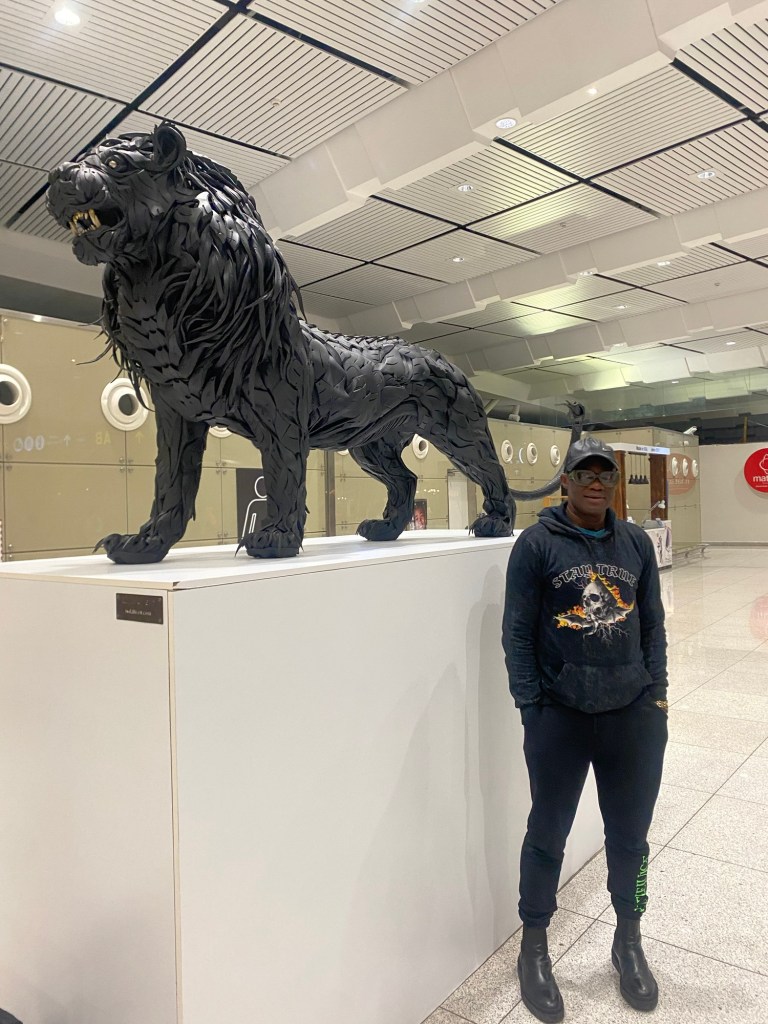
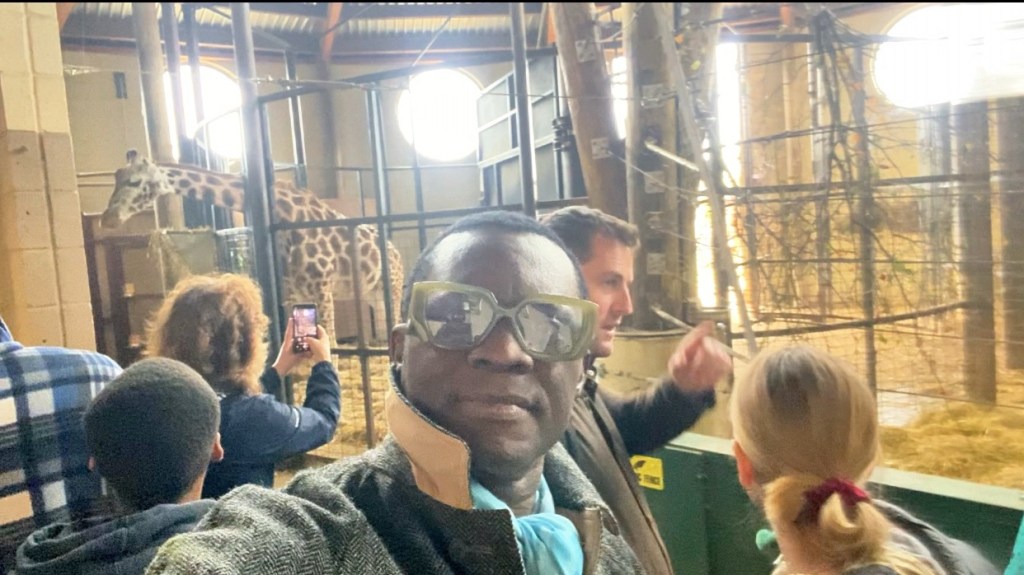
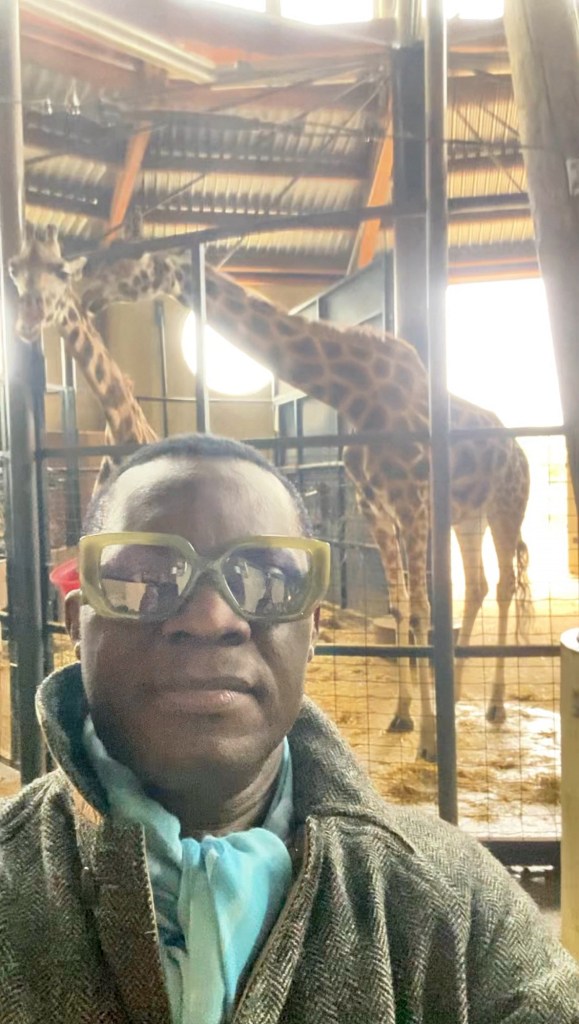
I recently visited MARWELL ZOO IN ENGLAND with my family and while I was watching the giraffes, one question comes to my mind: Is the Lion Truly the King of the jungle?
The lion has long been celebrated as the “king of the jungle” or even “king of the forest,” a title that conjures images of unrivaled strength, majesty, and dominance. But how accurate is this label? In reality, the lion’s kingdom is not the forest or jungle but rather the savannas, grasslands, and open plains of Africa. Exploring the lion’s actual habitat, behavioral traits, and ecological relationships reveals that its “royal” title may not fully reflect its role in the natural world. Here, we challenge the traditional notion of the lion as the king of the forest.
The Lion’s Habitat: Not the Forest, Not the Jungle
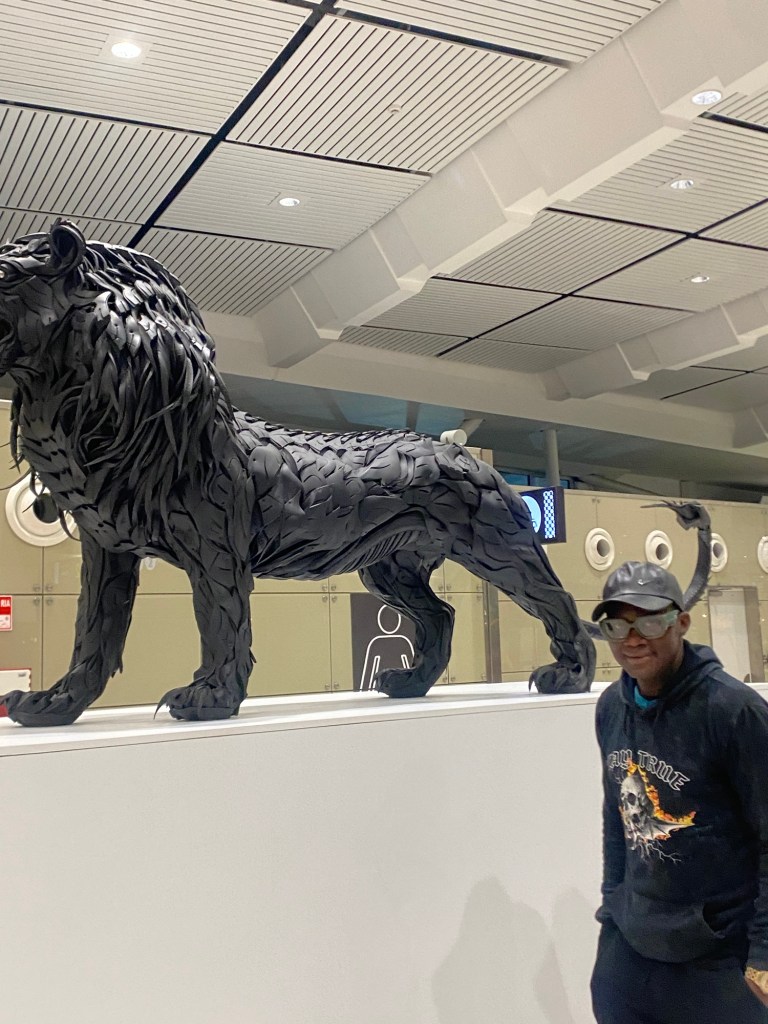
To begin with, lions don’t inhabit forests or jungles in the sense people often imagine. Lions are primarily found in Africa’s grasslands and savannas, open spaces that allow them to hunt in prides and utilize their strength and coordination. The misconception that they dwell in jungles likely arose from the title “king of the jungle,” which seems to be a misinterpretation based on a lack of knowledge about their true habitats.
In actual forests, lions would not be well-adapted hunters. Forests are dense, shadowy environments where solitary predators, such as tigers and leopards, excel due to their ability to blend into the shadows and stalk prey with stealth. By contrast, lions rely on open plains, where their cooperative hunting strategies and powerful physiques are advantageous.
Royal Status: Dominance in the Animal Kingdom?
The notion of the lion as “king” of the animal kingdom is also worth challenging. While lions are apex predators, they are not the most powerful or even the most successful hunters in their ecosystems. Lions have hunting success rates of about 25% to 30%, a figure lower than that of solitary hunters like leopards and cheetahs, who operate with greater stealth. Further, a lion’s hunting prowess is typically bolstered by teamwork in prides, meaning that even their strength is largely reliant on collaboration rather than individual dominance.
Additionally, lions often scavenge from other animals, including hyenas. Despite popular portrayals of lions as the noble lords of the savanna, they regularly engage in competitive scavenging. In some cases, lions even steal kills from smaller predators or scavenge carrion left by other animals, blurring the line between apex predator and opportunistic scavenger.
Rival Kings in the Animal Kingdom
When evaluating the title of “king” based on dominance within an ecosystem, other animals could be equally, if not more, deserving of this title. Elephants, for example, are not only physically larger and more powerful than lions but also play a significant ecological role in shaping the environment. Through their behavior—uprooting trees, creating water sources, and spreading seeds—elephants have a profound impact on the ecosystems they inhabit, thus exercising a form of natural governance and influence unmatched by any lion.
Other animals also display unique traits that contribute to their own “kingly” status. Tigers, for instance, dominate the jungles of Asia and have been observed taking down prey larger than themselves, even in dense forests. Their solitary and stealthy approach allows them to reign in an environment where lions would struggle to survive.
Social Structure: Kings Without Kingdoms?
Lions’ social structures, centered around prides, also differ from the hierarchical, centralized image we often associate with kingship. In a pride, there is no absolute, unchallenged ruler. Male lions frequently compete for dominance, often through violent confrontations. A “king” lion may only hold his position temporarily until he is challenged and replaced by a younger or stronger male. This turnover of “kings” within prides contrasts with the traditional idea of a stable monarchy, where a king reigns until death or abdication. Instead, lions’ dominance is transient, a survival strategy rather than a birthright or inherent rule.
The Lion’s Symbolic Value
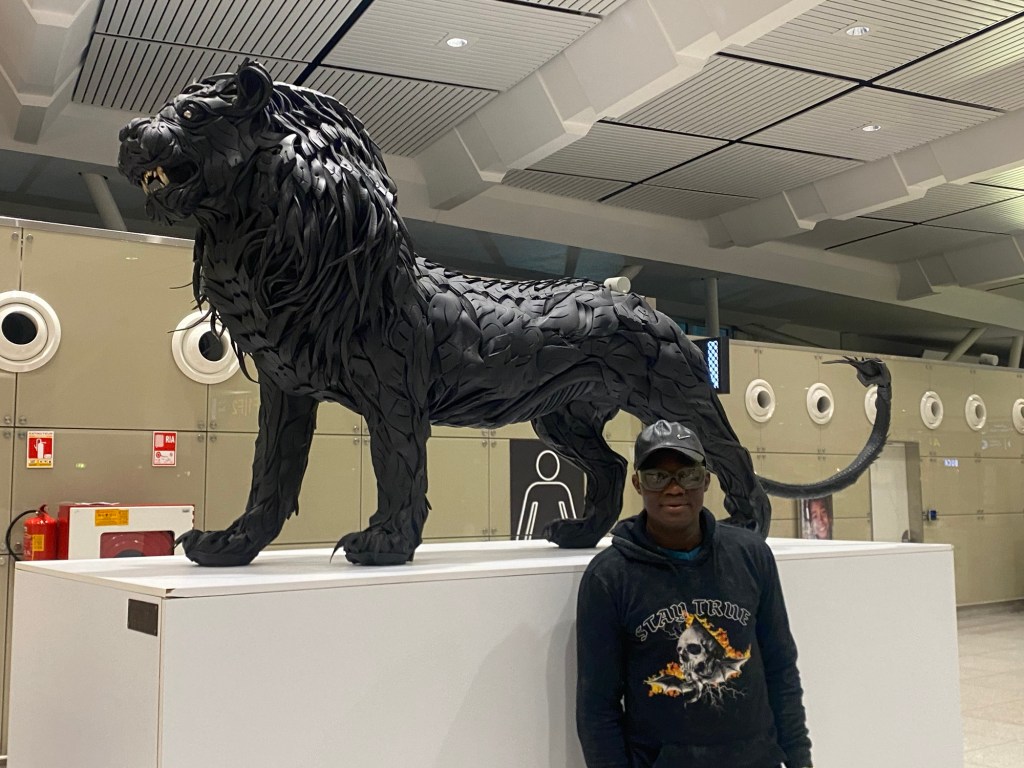
Much of the lion’s “royal” status comes from symbolic associations in human culture, rather than the animal’s natural behaviors. Across many societies, lions have symbolized strength, courage, and authority, traits idealized by humans. From the roaring lions depicted on heraldry and royal crests to religious and cultural iconography, the lion has been positioned as a symbol of nobility and majesty. This symbolism, however, is largely a human construct, one that overlooks the complex realities of lion behavior and ecology.
In recent years, popular culture has cemented the image of the lion as royalty, thanks to stories such as The Lion King, which portrays lions as moral and wise rulers of the animal world. This narrative, while inspiring, romanticizes the lion’s actual place in the ecosystem and promotes an oversimplified view of its role.
Conclusion: The Complexity of the Natural World
So, is the lion truly the king of the forest? Not really. The title “king” misrepresents the lion’s role in nature, which is more complex and nuanced than simple dominance or royal authority. In the savannas and grasslands, lions occupy a specific ecological niche as powerful and cooperative predators, but they are neither supreme rulers nor lone monarchs. The title also ignores the impressive qualities of other species, from the elephants’ ecological influence to the tiger’s solitary mastery of the jungle.
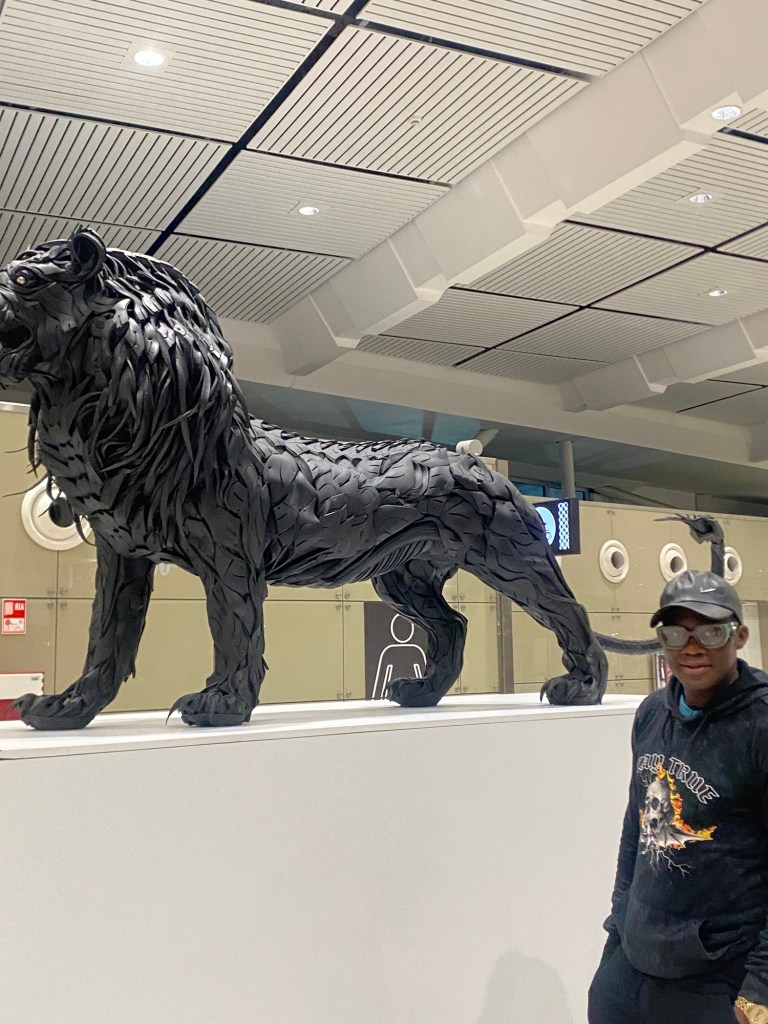
Ultimately, perhaps it is more fitting to view the lion as a “symbol” rather than a “king”—a reminder of strength, unity, and resilience, but not an uncontested ruler of all creatures or environments. By examining the lion’s true place in nature, we gain a deeper appreciation for the intricate balance of ecosystems and the unique qualities of each species within it.
 Jimmy Yab