
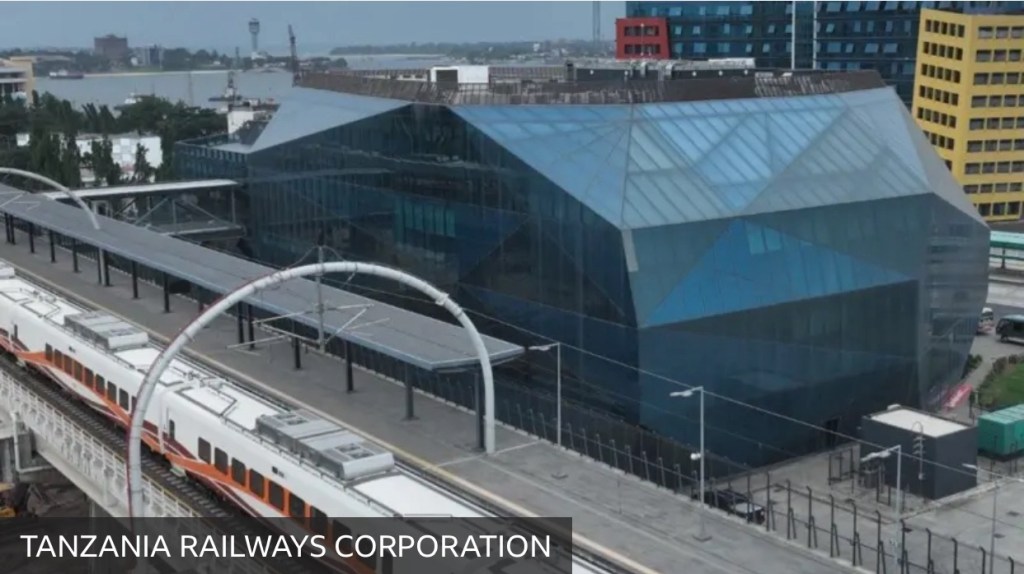
During my visit to Tanzania, I had the opportunity to observe firsthand the impressive transformations the country has undergone, especially under the leadership of President Samia Suluhu Hassan. As Tanzania’s first female president, she embodies a style of female leadership capable of transforming and modernizing the country, demonstrated by the remarkable development of its electric railway system. By becoming the first country in East Africa to launch an electric rail network, Tanzania illustrates how a visionary female leader can infuse fresh momentum into the economy and society. In this article, I will explore how President Hassan’s leadership is contributing to Tanzania’s development and the impact of her example for Africa as a whole.
Female Leadership and a Vision for Progress in Africa
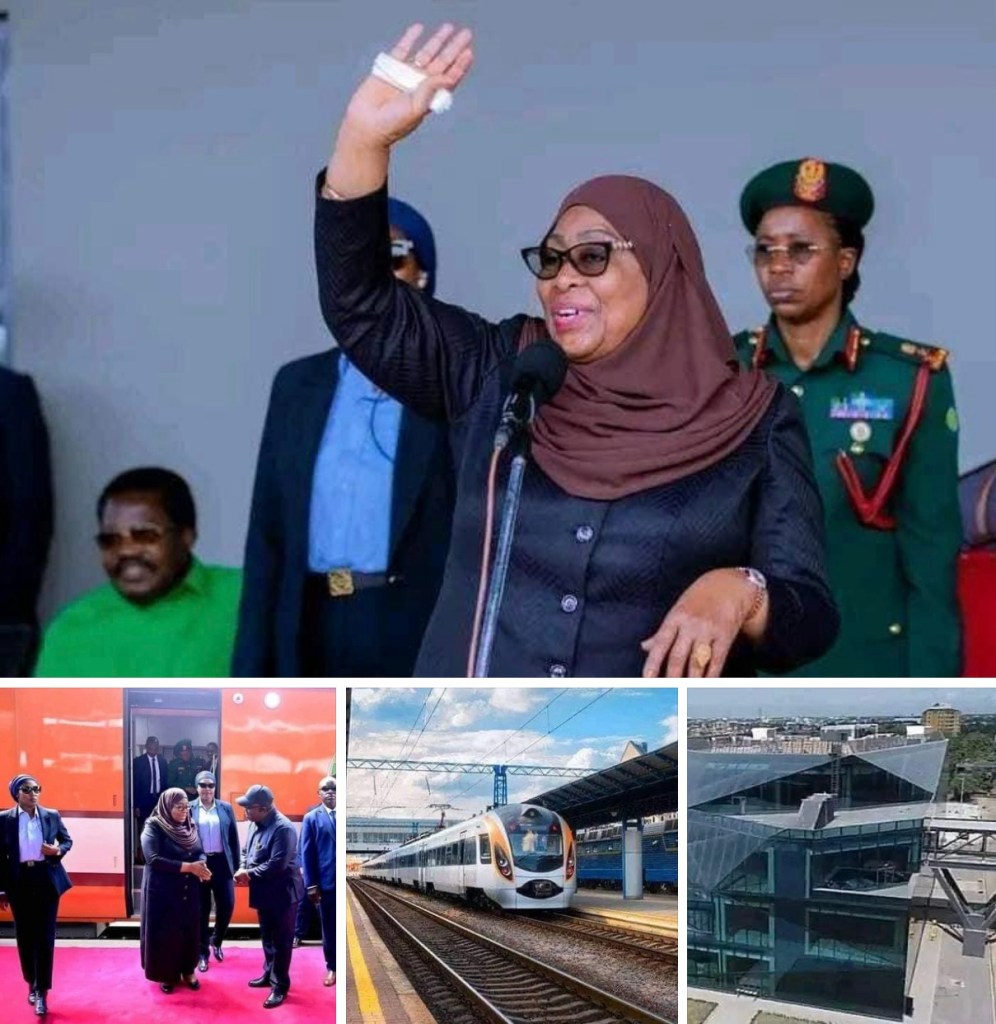
Having women in positions of power in African countries often brings a breath of fresh air, blending inclusivity, sustainable development, and stability. President Samia Suluhu Hassan exemplifies this dynamic. She assumed office following the death of her predecessor, during a delicate period of transition. Despite the challenges, she managed to impose her vision and accelerate major national projects, including the electric railway connecting Dar es Salaam to Dodoma. This significant project, covering 440 kilometers, reduces travel time from 10 hours to 4 hours and sets a model for the entire region.
Under President Hassan’s leadership, Tanzania now positions itself as a model of modernization for other East African nations, especially in transportation and infrastructure. Through this railway, the country is boosting trade, enhancing mobility, and reducing its dependency on fossil fuels by using electricity—a sustainable choice that reflects values of inclusivity and progress.
A Rail Project That Is Transforming Tanzania
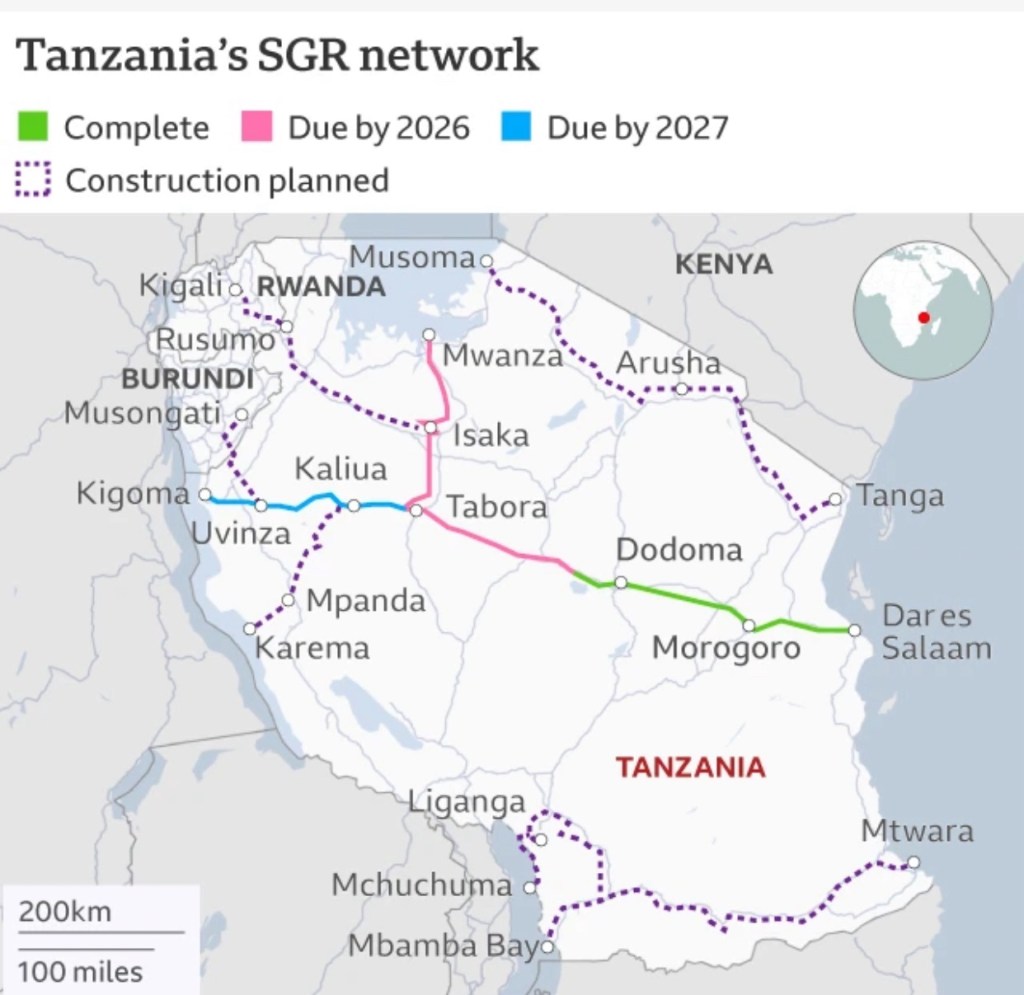
During my visit, I was able to see the tangible benefits of the railway project for the people. The electrified railway between Dar es Salaam and Dodoma is more than a mere transportation network; it’s a true asset for national development. With a maximum speed of 160 km/h, this modern train improves citizens’ mobility, enhances trade between regions, and opens new commercial and tourism opportunities. This project, valued at approximately $3.1 billion, embodies President Hassan’s commitment to building modern, sustainable infrastructure that meets her country’s real needs.
Beyond the benefits in terms of time savings and efficiency, the positive environmental impact of this railway is crucial. By opting for electricity, Tanzania aligns itself with sustainable development goals and reduces its carbon footprint. This project marks a turning point for the region, made even more significant by the fact that it’s being led by a visionary woman who is committed to a green and prosperous future.
Female Leadership in the Face of African Challenges
For female leaders in Africa, leading a country also means facing numerous challenges, including stereotypes and resistance from certain sociocultural factions. President Samia Suluhu Hassan has not been spared from criticism, but she has demonstrated strong leadership and inspired her people by promoting inclusive development. She’s not the first woman in Africa to achieve such an accomplishment; Ellen Johnson Sirleaf, former president of Liberia, is another example. Sirleaf, the first woman elected head of state on the continent, led her country through a crisis, laying strong foundations for democracy and peace.
These examples illustrate the transformative power of female leadership in Africa. Far from being mere administrators, these women are builders of peace and development, offering an inclusive, responsible vision for the well-being of future generations.
Toward a New Era of Inclusive and Sustainable Governance
The impact of female leadership goes beyond symbolism; it promotes governance that values strong institutions and sustainable development. By undertaking economic reforms and launching projects like the electric railway, Samia Suluhu Hassan shows that female leadership is not merely about gender parity but is a path to real transformation that meets the needs of her people. As the first woman president, she echoes the values of Scandinavian countries, where women’s inclusion in government is associated with effective and stable governance. This parallel shows that female leadership can be a valuable asset, not only for gender parity but for a fairer, more balanced future.
My trip to Tanzania strengthened my optimism about the potential of female leadership for Africa’s development. Through her commitment and vision, President Samia Suluhu Hassan demonstrates that a woman can not only lead but can also transform her country by instilling a dynamic of modernity, inclusivity, and sustainability. The electric railway is a symbol of this progress: it embodies the ambition and capability of a country to modernize its infrastructure and improve the lives of its citizens.
Africa needs strong leaders and ambitious projects to meet the challenges of the 21st century. Tanzania’s success is an inspiration for the continent and an invitation for other countries to pursue inclusive development by valuing the potential of women to lead and innovate for a prosperous, sustainable future.
 Jimmy Yab