
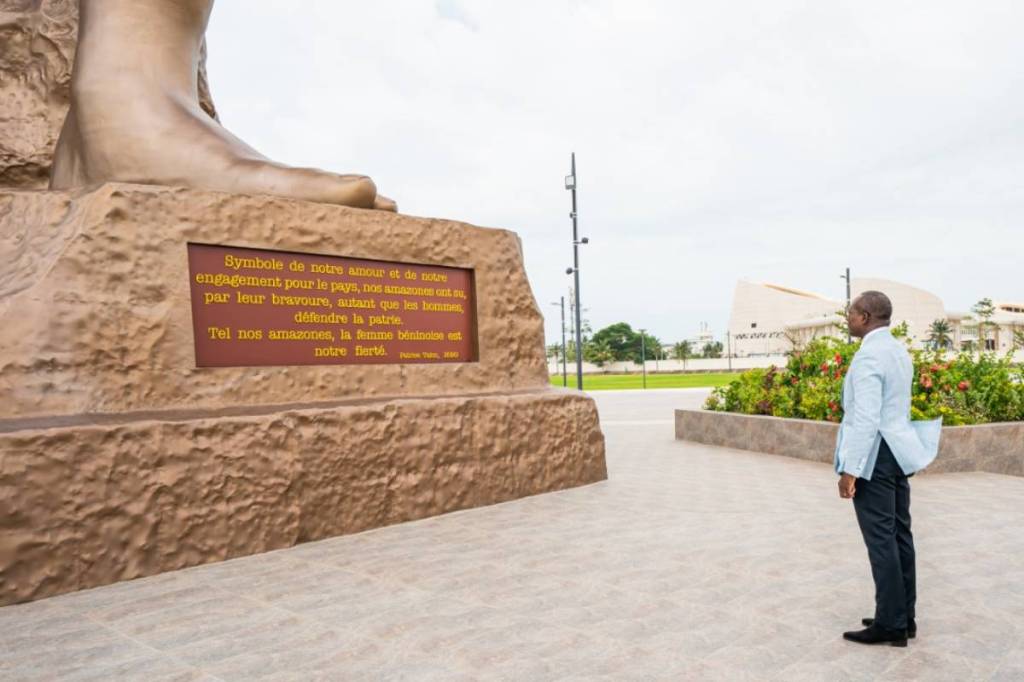
Africa has a profound history of female leadership and empowerment, deeply rooted in cultural traditions and historical achievements. One of the most remarkable examples of this legacy is the legendary Dahomey Amazons—an all-female military regiment in the Kingdom of Dahomey (modern-day Benin) renowned for their bravery, combat skill, and loyalty. These warriors symbolized strength, authority, and resilience, challenging the conventional boundaries of gender roles.
In recent years, Benin has honored this legacy in a monumental way. President Patrice Talon inaugurated a statue in Cotonou commemorating the Dahomey Amazons, celebrating both the historical achievements of these women and their lasting influence on African female leadership. Talon’s administration has further supported female empowerment by establishing the office of the Vice Presidency, now held by Mariam Chabi Talata, a strong advocate for women’s leadership. Together, these acts of recognition provide a powerful message about the importance of female agency and leadership in contemporary Africa.
I. The Dahomey Amazons: History and Impact
The Dahomey Amazons, also known as the Mino or “our mothers” in the Fon language, served as an elite military unit in the Kingdom of Dahomey from the 17th to the 19th century. They were unique in the sense that they were one of the only all-female armies in recorded history. Trained rigorously in the art of warfare, these women exhibited exceptional courage, discipline, and loyalty to the kingdom. They were involved in critical battles and were highly respected, both by their king and the people of Dahomey.
The Amazons’ influence extended beyond the battlefield. They held significant social and political power, often acting as advisors to the king and participating in council meetings. Their prominence challenged conventional gender roles, demonstrating that women could be both powerful leaders and key contributors to the welfare of society. The Dahomey Amazons’ legacy of strength and resilience continues to inspire generations of African women, offering a powerful narrative of female capability that transcends time.
II. The Dahomey Amazons and Female Leadership in African History
The Dahomey Amazons are just one part of Africa’s long tradition of strong female leadership. Africa has seen numerous influential women who held power and authority in ways that defied the expectations of their time. Figures such as Queen Nzinga of Angola and the Nubian Kandake queens exemplify how women have historically played crucial roles in governance, diplomacy, and military affairs. These figures serve as reminders that African societies, even in the face of colonial influence, have always valued and empowered women leaders.
The Amazons’ legacy is particularly significant because it provides a counter-narrative to Western interpretations of African gender roles. By highlighting their courage, intelligence, and leadership skills, the Amazons serve as symbols of female empowerment, contrasting with the often patriarchal views introduced during and after colonialism. They remind us that African women have long been agents of change, playing active roles in shaping their societies.
III. The Monument in Cotonou: Honoring the Dahomey Amazons
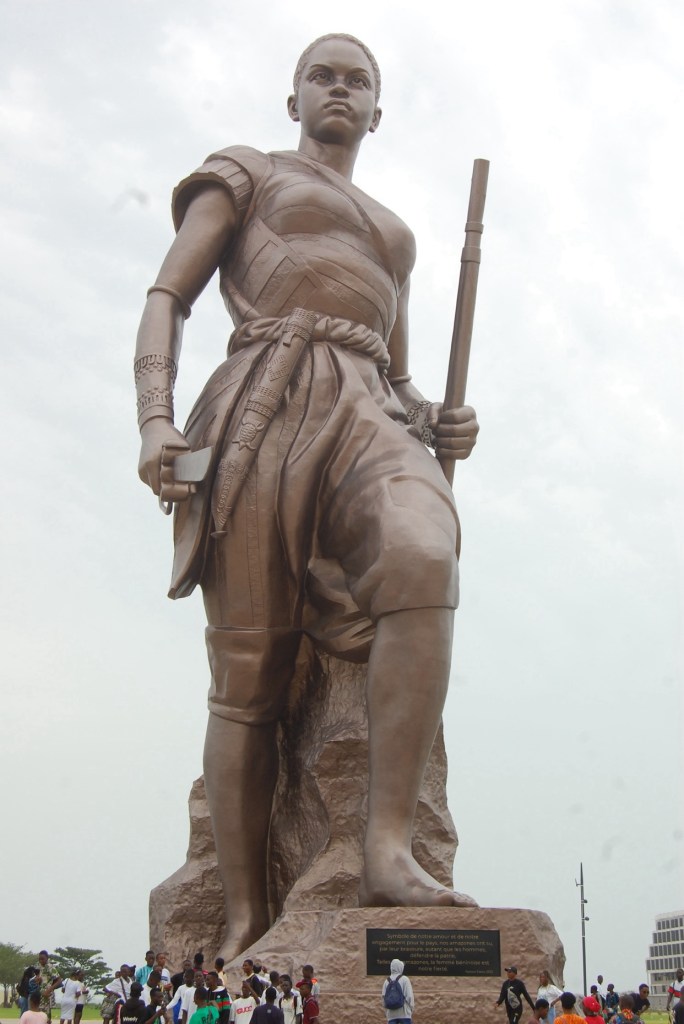
In 2022, President Patrice Talon inaugurated a monumental statue in Cotonou to honor the Dahomey Amazons, a decision that not only pays homage to Benin’s history but also sends a powerful message about the importance of female leadership today. This statue, featuring a woman warrior with a spear and shield, is a striking reminder of the strength and pride of African women. It celebrates the Amazons’ legacy as defenders of their kingdom and as symbols of resilience and empowerment.
This monument has both cultural and symbolic significance. It serves as a public recognition of the important roles women have historically played in African societies and encourages a reevaluation of traditional gender roles. Moreover, it offers a focal point for discussions on gender equality and the potential for women to contribute meaningfully to society. By commemorating the Amazons, the Talon administration highlights Benin’s commitment to promoting and preserving the heritage of female empowerment.
IV. Creation of the Vice Presidency: A Commitment to Female Empowerment
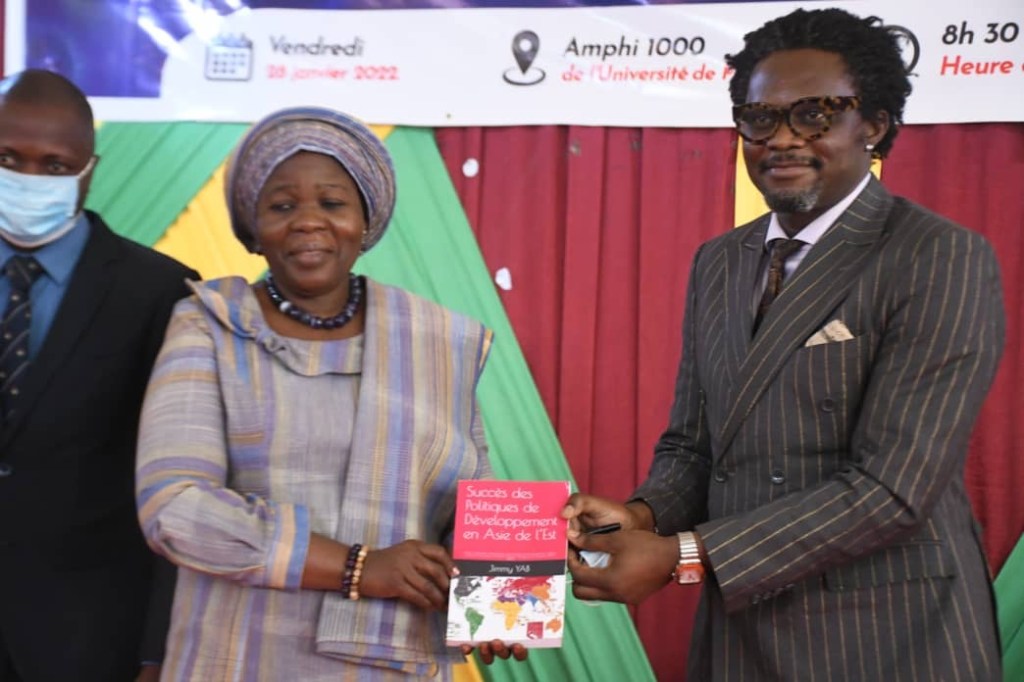
Beyond honoring historical figures, President Talon has taken a substantial step toward institutionalizing female leadership in modern Benin. In 2021, he established the office of the Vice Presidency and appointed Mariam Chabi Talata as Benin’s first female Vice President. Talata’s appointment is a groundbreaking moment for the country and signifies a commitment to gender equality and women’s representation in governance.
As Vice President, Talata embodies the spirit of the Dahomey Amazons—strong, resilient, and dedicated to her nation. Her role not only amplifies women’s voices within Benin’s political sphere but also paves the way for future generations of women leaders. Talata’s vice presidency stands as a testament to the belief that female leadership is integral to the progress and stability of African societies. This development highlights how Benin is not only acknowledging its past but also creating a future that upholds the values of inclusion and empowerment.
V. The Broader Impact of Monuments and Female Representation in Leadership
The Dahomey Amazons monument and the establishment of the Vice Presidency are powerful symbols that connect Benin’s past with its present and future. Monuments, like the one in Cotonou, serve as important cultural touchpoints that promote pride, national identity, and historical awareness. They remind the public that women have long been pivotal in shaping society and that honoring this legacy is key to fostering gender equality.
Similarly, the presence of women in political leadership, as exemplified by Talata’s role, provides tangible proof that gender inclusivity can be achieved. As more African nations recognize and celebrate their historical female figures, they send a message that female empowerment is not only possible but essential for societal progress. These actions create an environment where younger generations of women feel encouraged to pursue leadership roles, knowing they are part of a legacy that values and supports their potential.
The legacy of the Dahomey Amazons is a powerful reminder of the strength, courage, and leadership capabilities that women have long brought to African societies. By honoring this legacy through the monument in Cotonou and the appointment of Mariam Chabi Talata as Vice President, Benin is setting a powerful example of how historical memory and modern governance can work together to promote gender equality and female empowerment.
This dual recognition of historical and contemporary female leadership underscores the importance of women’s roles in creating strong, resilient societies. As African nations continue to celebrate and institutionalize female leadership, they pave the way for a more inclusive future where women can actively contribute to the continent’s development and prosperity. The Dahomey Amazons’ legacy lives on, not only as a testament to the past but as a foundation for the future of female leadership in Africa.
 Jimmy Yab