
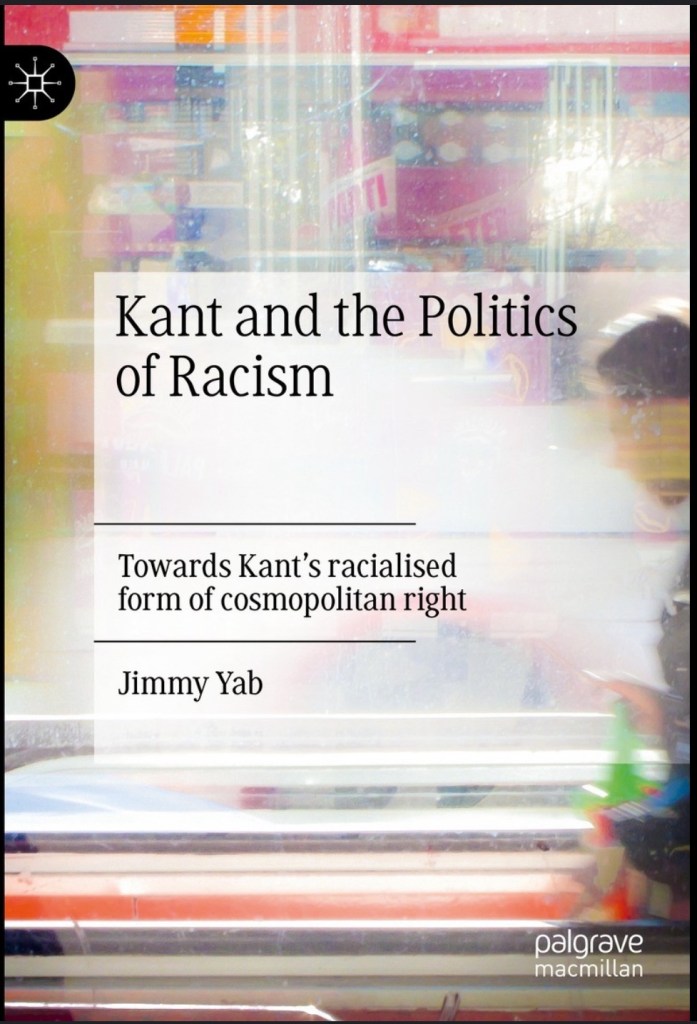
When I wrote Kant and the Politics of Racism: Towards Kant’s Racialised Form of Cosmopolitan Right, published by Palgrave Macmillan in 2021, my central objective was to unveil the deeply entrenched racial biases within Kant’s philosophy—a bias that is not unique to him but shared by other Enlightenment thinkers such as David Hume, Voltaire, and Georg Wilhelm Friedrich Hegel. These philosophers, widely celebrated for their intellectual contributions, also propagated ideas that upheld and justified the racial hierarchies foundational to colonialism and oppression. In African universities, where educational content should align with the goals of liberation, cultural self-worth, and decolonization, the uncritical inclusion of such figures within curricula poses a risk. Here, I’ll outline the primary arguments for why philosophers like Kant and others with similar views should be reconsidered or even banned from African academic curricula.
1. Perpetuation of Racial Hierarchies in Education
Kant’s concept of cosmopolitan right, which on the surface appears universal, implicitly endorses a hierarchy that places Europeans at the top, regarding them as morally and intellectually superior to other races. Such perspectives, if uncritically taught, may subtly promote a sense of inferiority among African students, undermining their cultural identity and reinforcing colonial mindsets. By including Kant in curricula without a critical framework that highlights his racial biases, we risk upholding a model that places Western thought—and specifically racially biased Western thought—as the apex of philosophical reasoning.
Other philosophers, such as David Hume and Hegel, held similarly destructive views on race. Hume described Africans as « naturally inferior » to Europeans, while Hegel dismissed Africa as a continent without history or civilization. To continue teaching these perspectives as core philosophical pillars in African universities inadvertently validates their racist assumptions and demeans African heritage and intellectual capacity.
2. Misalignment with African Decolonization Goals
Education in Africa today is seen as a tool for decolonization, a means to cultivate independent thought, cultural pride, and socio-economic empowerment. However, uncritically integrating philosophers who endorsed colonialist ideologies directly opposes these decolonization goals. Figures like Kant and Voltaire contributed to a philosophical legacy that justified the exploitation and dehumanization of Africans, which was foundational to the colonial project.
When I wrote Kant and the Politics of Racism, I emphasized the urgent need to re-evaluate whose philosophies are presented as « universal truths. » By removing—or at least critically re-contextualizing—these thinkers, we create space for African philosophies that foster self-respect, resilience, and intellectual independence.
3. The Psychological Impact on African Students
The inclusion of philosophers who denigrated non-European cultures fosters a damaging psychological environment for African students. Repeated exposure to thinkers who relegated Africans to inferior roles within their philosophical frameworks can subtly influence students’ self-perception. The colonial educational legacy already presented Africa and its people as « lacking » in civilization or intellect. Teaching these works without critical analysis risks perpetuating internalized inferiority, a colonial hangover that continues to affect the psychological well-being of African students.
In my book, I detail how Kant’s portrayal of non-Europeans as morally and rationally deficient underpins his cosmopolitanism. When we present Kant and his contemporaries as the pinnacle of intellectual achievement, we risk re-inscribing the very colonial hierarchies from which African nations are still seeking liberation.
4. Alternative Philosophies for African Contexts
African intellectuals, such as Cheikh Anta Diop, Fabien Eboussi Boulaga, and Kwasi Wiredu, offer philosophies rooted in African contexts, cultures, and experiences, providing valuable frameworks for addressing contemporary African issues. Replacing or supplementing the curricula with these thinkers would not only reflect African students’ lived realities but also inspire pride in African intellectual achievements. When universities in Africa prioritize Kant or Hegel over Diop or Wiredu, they sideline the contributions of African thinkers who better address the continent’s unique historical and cultural context.
My book highlights how, by turning to African philosophy, African universities can cultivate an educational environment that supports empowerment and cultural pride. African thinkers have developed comprehensive ethical, political, and social philosophies; their inclusion in curricula would better serve African students than philosophers whose legacies are intertwined with racial subjugation.
5. Promoting a Truly Inclusive Cosmopolitanism
Finally, the goal of a cosmopolitan education should be to foster mutual respect, intercultural understanding, and genuine inclusivity. The philosophies of Kant and his contemporaries, however, contradict these ideals by excluding non-Europeans from their definitions of moral and rational beings. A more inclusive education in Africa should critique and challenge these limitations, fostering a cosmopolitanism that values all cultures equally.
In conclusion, as I argue in Kant and the Politics of Racism, African universities should carefully re-evaluate the place of Kant and other racially biased philosophers in their curricula. Rather than teaching these figures uncritically, universities should prioritize thinkers whose work aligns with the goals of liberation, empowerment, and genuine inclusivity for African students.
 Jimmy Yab